Addressable vs. Conventional Fire Alarm Systems
When evaluating a fire alarm system upgrade or new installation, the choice between addressable and conventional architecture is the most consequential decision. This guide explains the technical differences, cost implications, and NFPA 72 requirements to help facility managers make an informed decision.
How Each System Works
Conventional Systems
Devices are wired in groups (zones) to the control panel. When a device triggers, the panel identifies the zone but not the specific device. The responding team must physically search the zone to find the alarm source.
Small buildings under 10,000 sq ft with simple floor plans and limited AHJ requirements.
Addressable Systems
Every device has a unique electronic address programmed into the panel. When a device triggers, the panel displays the exact location — floor, zone, and device — in real time. Diagnostics are continuous and automatic.
Buildings over 10,000 sq ft, high-rises, healthcare, and any occupancy requiring precise event location.
Head-to-Head Comparison
| Factor | Conventional | Addressable |
|---|---|---|
| Device Identification | Zone only | Exact device location |
| Upfront Cost | Lower | Higher (20–40% more) |
| Installation Complexity | Simpler wiring | Requires programming |
| Scalability | Limited — rewiring needed | Easily expandable on same loop |
| Diagnostics | Alarm/fault only | Real-time device status |
| Fault Tolerance | Zone goes offline on fault | Most faults don't disable full loop |
| AHJ Requirements | Accepted in most small occupancies | Required by many AHJs for large buildings |
| Maintenance | Simpler troubleshooting | Faster fault location |
| Life Cycle Cost | Higher (harder to expand) | Lower long-term |
| NFPA 72 Compliance | Compliant for eligible occupancies | Compliant — preferred by most AHJs |
When Your AHJ Will Require Addressable
While NFPA 72 doesn't mandate addressable systems for all occupancies, many local AHJs do. Common triggers include:
Upgrade Decision Framework for Facility Managers
Use this framework when evaluating whether to upgrade an existing conventional system:
- 1 Check your AHJ requirements — call your local fire marshal's office and confirm whether addressable is required for your occupancy type and size.
- 2 Assess system age — conventional systems over 15–20 years old are approaching end-of-life. Upgrade cost at replacement is similar to an addressable system.
- 3 Evaluate your expansion plans — if your facility will grow or be reconfigured, addressable systems scale at a fraction of the cost of rewiring conventional zones.
- 4 Calculate life-cycle cost — addressable systems typically pay back the premium within 7–10 years through reduced service costs and fewer false alarm dispatches.
- 5 Get bids from licensed contractors — require them to specify the exact panel model, addressable protocol (proprietary vs open), and NFPA 72 documentation package.
Wholesale Fire Alarm System Components
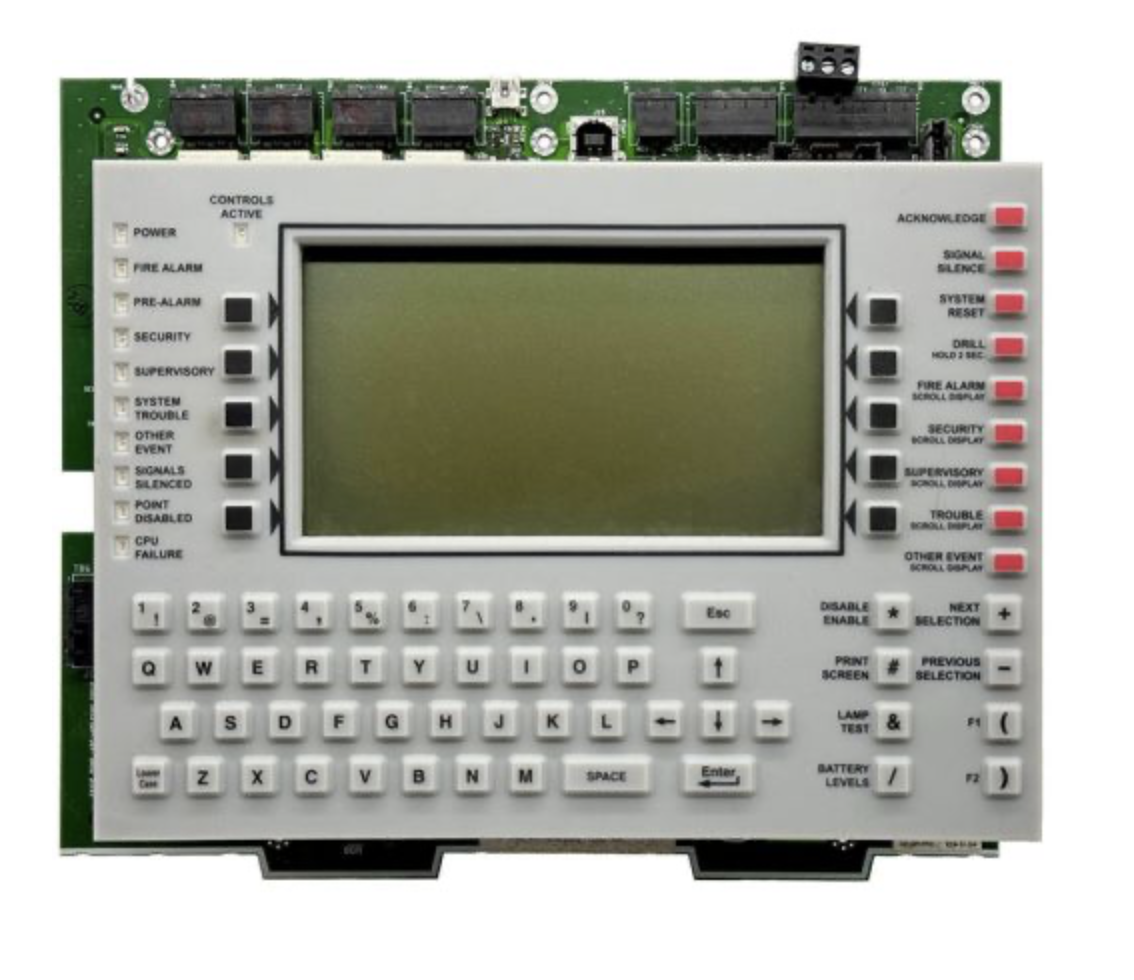
Addressable Fire Alarm Control Panel
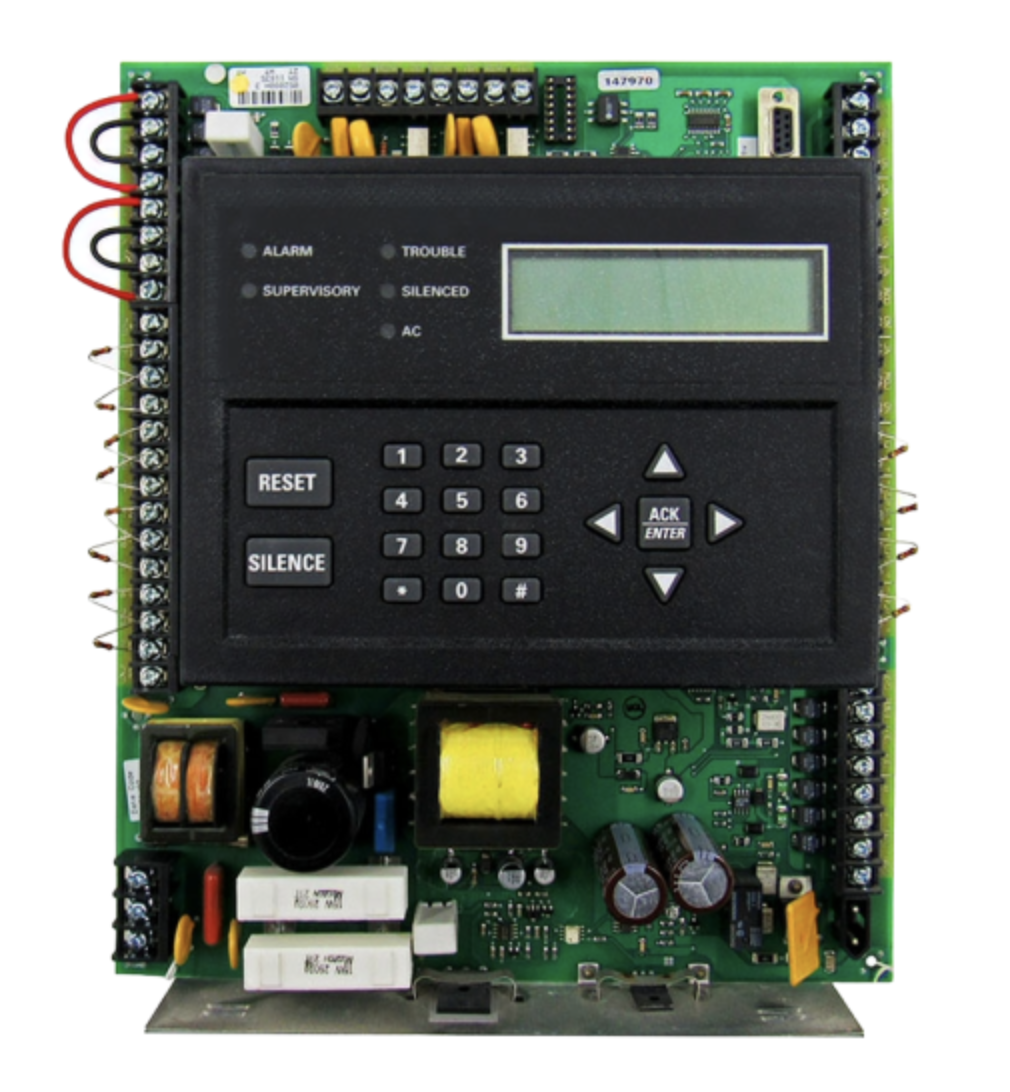
8-Zone Conventional Fire Alarm Panel
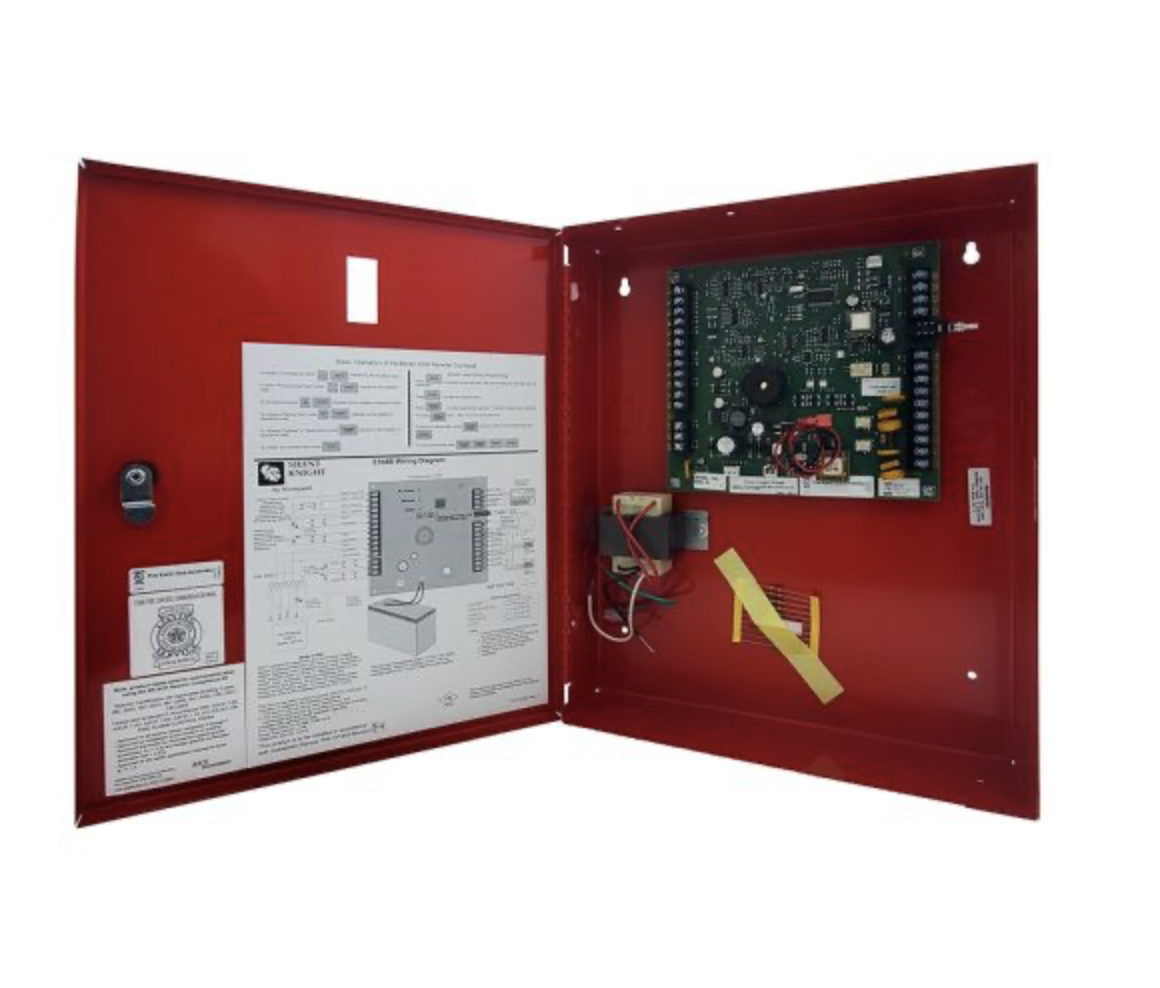
4-Zone Conventional Fire Alarm Panel
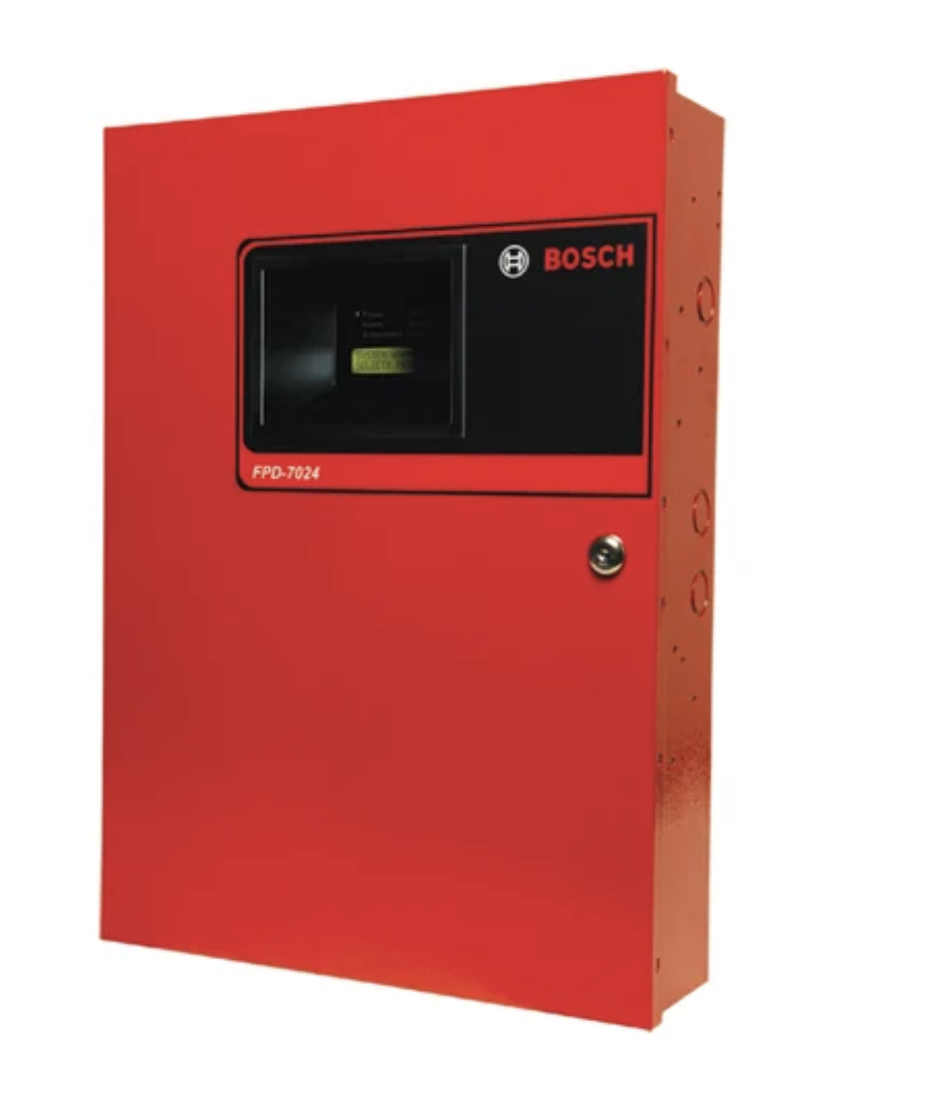
4-Zone Conventional Panel
Fire Alarm System Components
Wholesale pricing on panels, detectors, pull stations, and notification appliances for contractors and facilities teams.