NFPA 72
National Fire Alarm and Signaling Code
NFPA 72 is the foundational code for fire alarm system design, installation, testing, and maintenance. It governs everything from initiating devices (detectors, pull stations) to notification appliances (horns, strobes) to central station monitoring requirements.
Addressable vs. Conventional Systems
Conventional Systems
- ▸Devices grouped into zones — pinpoints the zone, not the device
- ▸Lower upfront cost
- ▸Suitable for smaller buildings (<10,000 sq ft)
- ▸Limited diagnostic capability
- ▸Harder to expand or modify
Addressable Systems
- ▸Every device has a unique address — exact location pinpointed
- ▸Required by many AHJs for buildings over 10,000 sq ft
- ▸Real-time diagnostics and fault reporting
- ▸Easily expandable for future occupancy changes
- ▸Required for high-rise buildings in most jurisdictions
NFPA 72 Inspection & Testing Schedule
| Frequency | Component | Test Required |
|---|---|---|
| Monthly | Control Panel | Visual inspection of indicators and trouble signals |
| Quarterly | Smoke Detectors (selected) | Functional test using listed aerosol or magnet per manufacturer |
| Semi-Annual | Battery Systems | Test under load conditions; verify capacity |
| Annual | All Detectors | Functional test of 100% of initiating devices |
| Annual | Notification Appliances | Test all horns, strobes, and voice evacuation speakers |
| Annual | Pull Stations | Functional test using test key; verify signal at panel |
| Annual | Central Station Link | Verify alarm signal transmission to monitoring station |
Smoke Detector Placement — NFPA 72 Requirements
▸ Maximum 30-foot spacing between smoke detectors on flat, smooth ceilings
▸ Detectors must be located within 15 feet of the center of each protected area
▸ Minimum 4 inches from any wall or corner
▸ Avoid placement within 3 feet of HVAC supply diffusers
▸ Duct detectors required in AHU systems serving more than 2,000 CFM
▸ CO detectors required within 10 feet of sleeping areas in residential occupancies
Facility Manager Audit Preparation Checklist
When preparing for an AHJ fire inspection, facility managers should have the following documentation ready for the fire alarm system:
- ☑ As-built fire alarm system drawings (updated to reflect any modifications)
- ☑ Certificate of occupancy and original fire alarm acceptance test records
- ☑ Annual inspection and testing reports for the past 3 years
- ☑ Central station monitoring certificate showing current monitoring contract
- ☑ Documentation of any system modifications with permit numbers
- ☑ Battery replacement records with dates and battery specifications
- ☑ Deficiency correction records for any issues identified in prior inspections
Fire Alarm System Components
Wholesale panels, detectors, pull stations, and notification appliances for fire alarm contractors.
Related Products
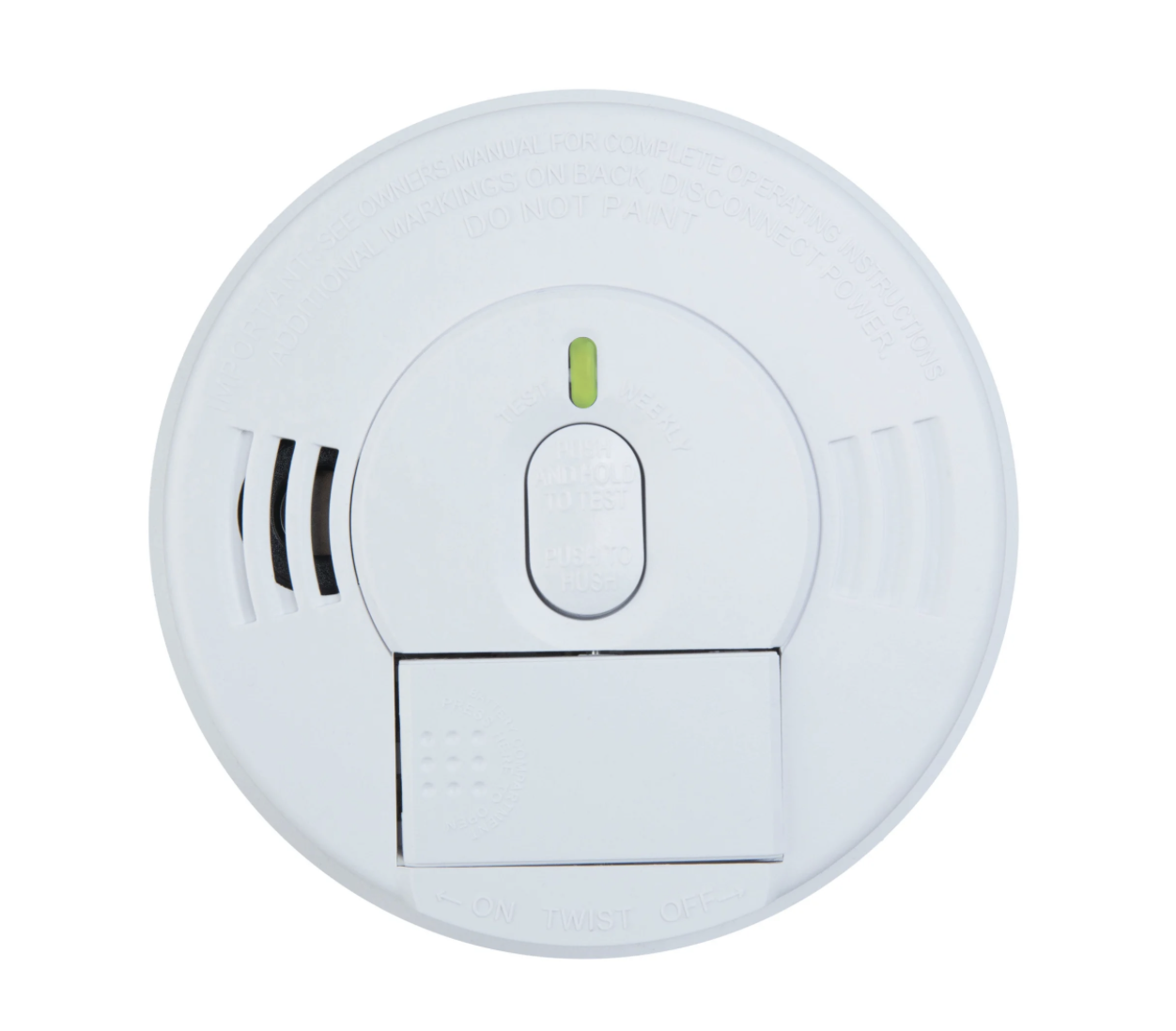
Kidde i12060
Hardwired Ionization Smoke Alarm, 9V Backup
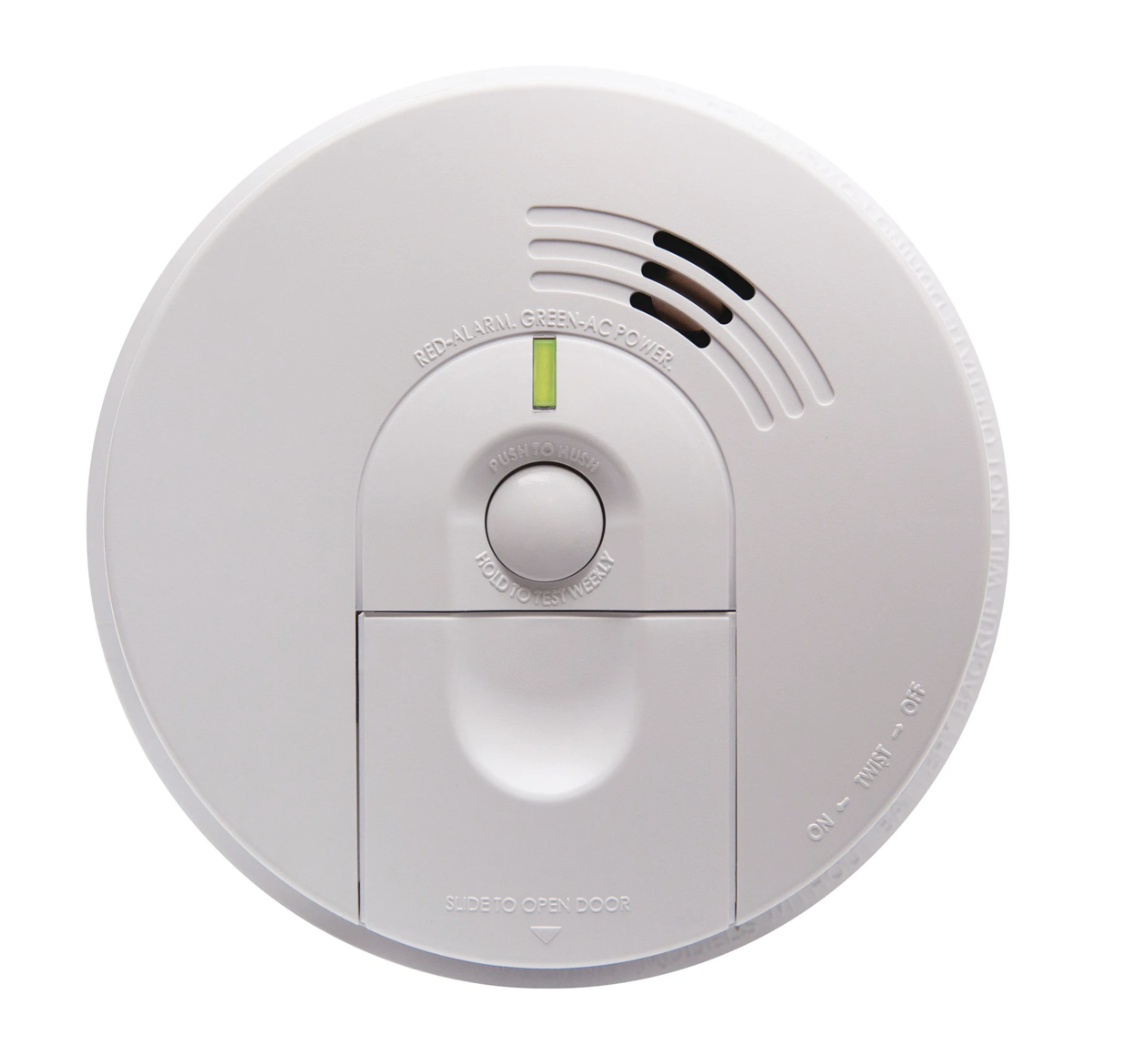
Kidde (Firex) i4618
Hardwired Ionization, Replaces 4618/4518/5000
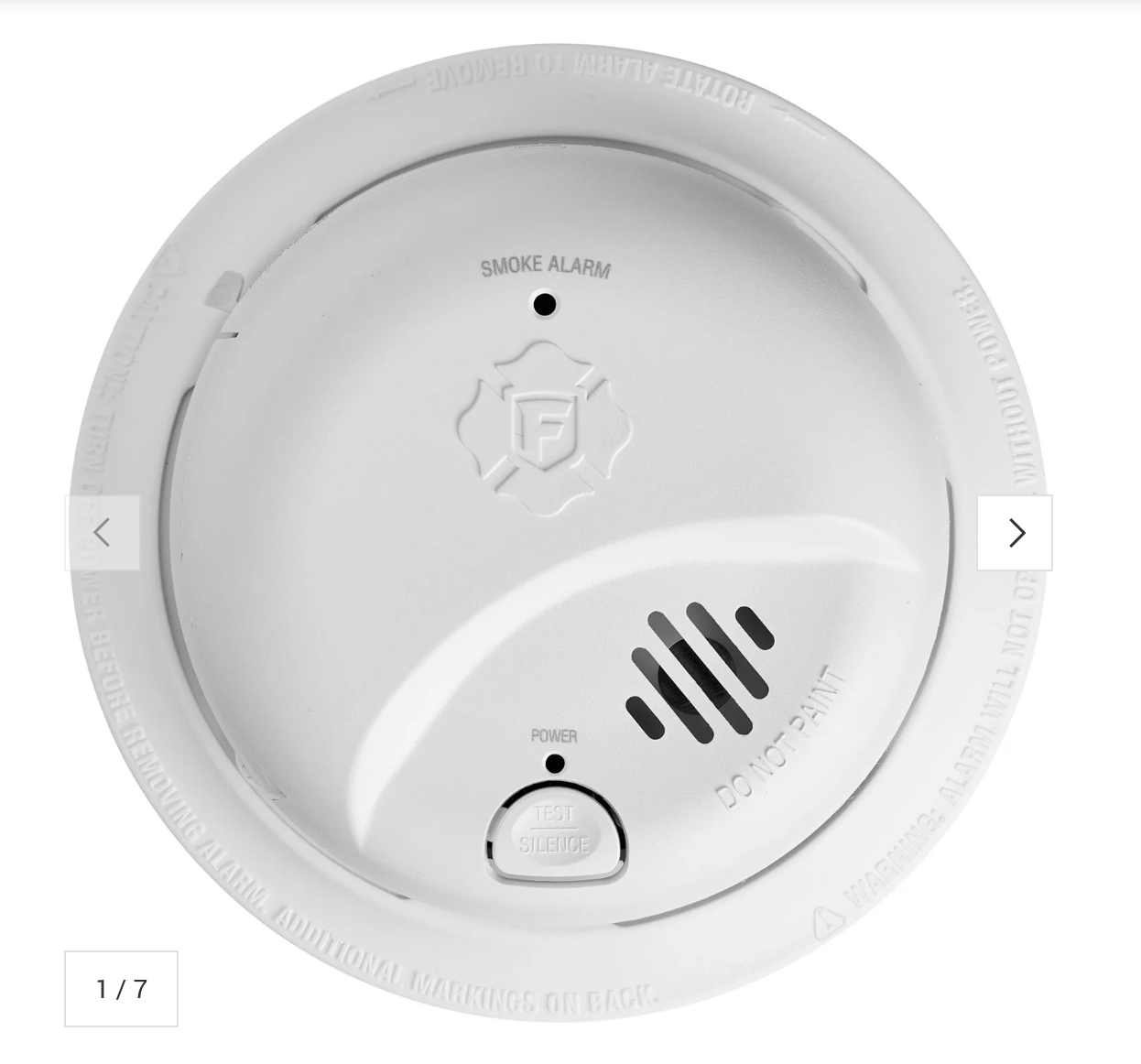
BRK / First Alert SMI100-AC
Hardwired Ionization Smoke Alarm
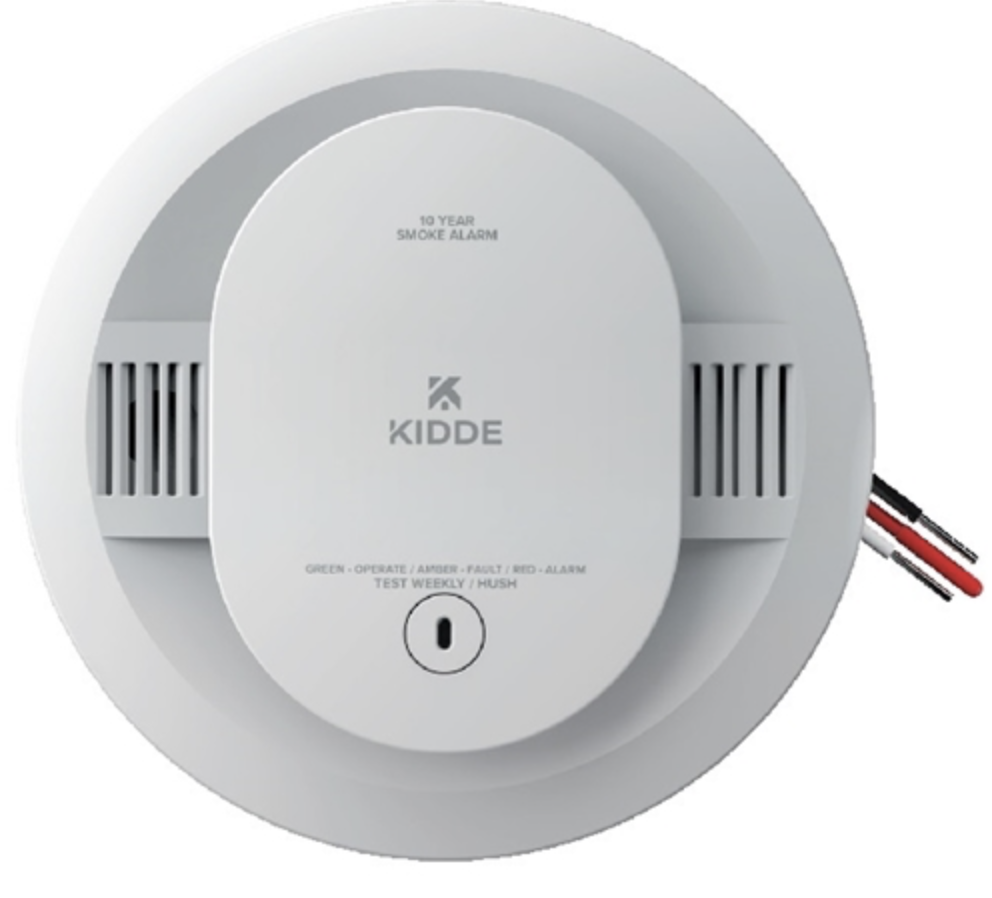
Kidde (Firex) SMAC10YFEX
Hardwired 10-Year Battery, New Construction
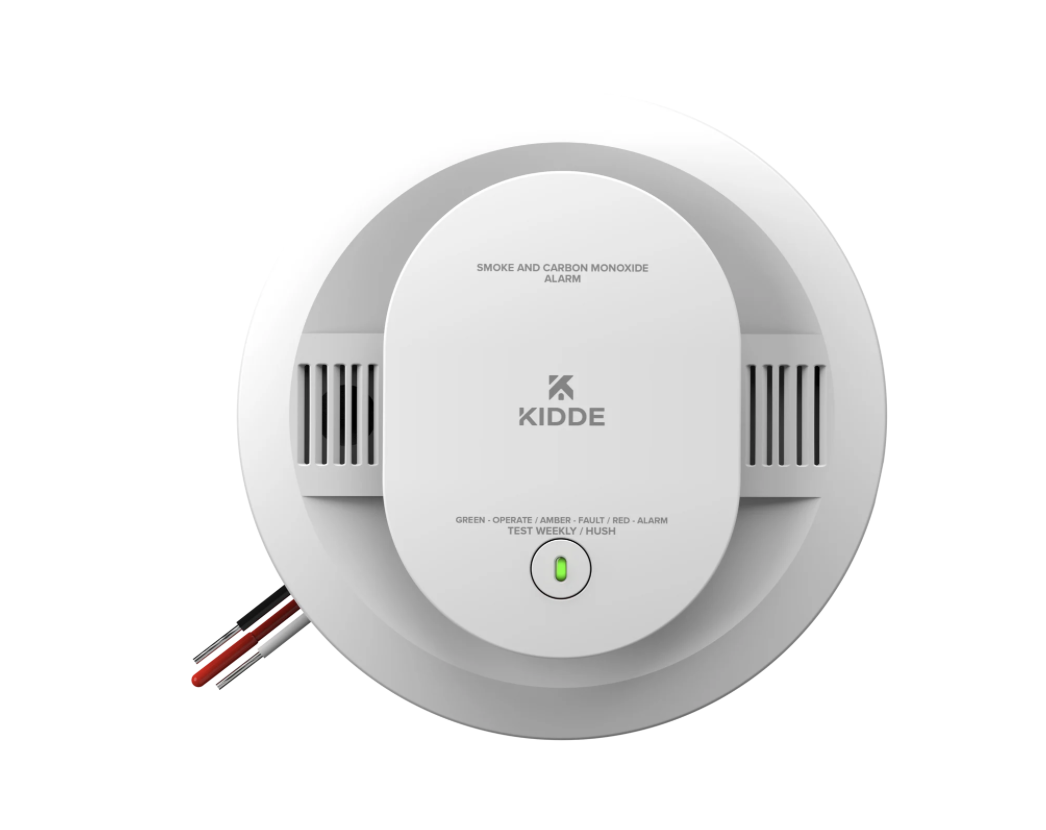
Kidde 30CUAR
Hardwired Smoke/CO Combo, AA Battery Backup
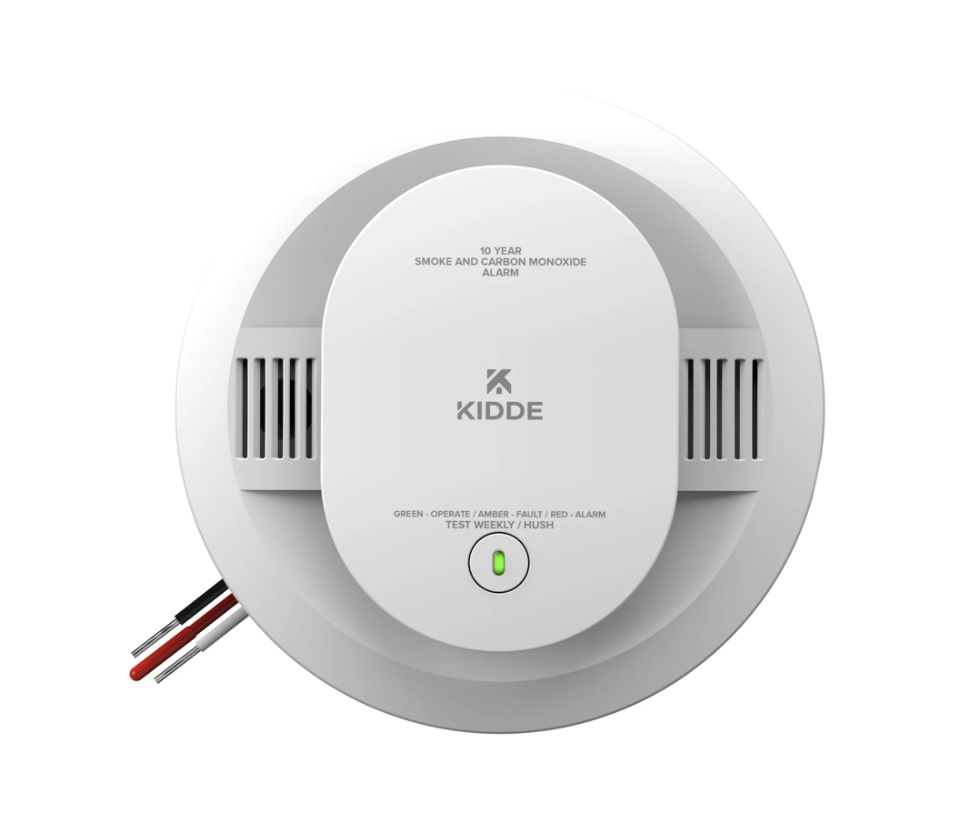
Kidde 30CUA10
Hardwired Smoke/CO Combo, 10-Year Battery