Commercial Fire Extinguisher Inspection: What NFPA 10 Actually Requires
NFPA 10 is the standard that governs portable fire extinguishers in the United States. For property managers, facility teams, and fire protection contractors, understanding exactly what's required — and when — is the difference between compliance and a failed AHJ inspection.
The Four Inspection Intervals
NFPA 10 establishes four distinct inspection and maintenance requirements, each with different personnel requirements and documentation obligations.
1. Monthly Visual Inspection
The monthly inspection can be performed by building personnel — it doesn't require a certified technician. The purpose is to verify that extinguishers haven't been used, moved, or obstructed since the last check.
What to check: location (mounted in designated spot), accessibility (no obstructions within 3 feet), pressure gauge in the green zone, condition (no obvious damage, corrosion, or discharge), and safety pin with tamper seal intact.
2. Annual Inspection
The annual inspection must be performed by a certified fire protection technician. This is the inspection that gets tagged on the extinguisher and documented in your service records.
For stored-pressure extinguishers (the most common type), the annual inspection includes: checking the mechanical parts, extinguishing agent, and expelling means. For carbon dioxide and wet chemical units, additional checks apply. All findings must be documented.
3. 6-Year Internal Examination
Every six years, stored-pressure extinguishers must undergo an internal examination. The extinguisher is emptied, the valve removed, and the inside inspected for corrosion, moisture, and condition of the agent. This is often combined with a recharge.
This requirement applies to stored-pressure dry chemical, stored-pressure water-based, and stored-pressure clean agent extinguishers. CO2 and non-stored-pressure units have different schedules.
4. 12-Year Hydrostatic Testing
Hydrostatic pressure testing is required every 12 years for most extinguisher types. The cylinder is pressurized to a specified test pressure to verify the shell hasn't been weakened by corrosion, damage, or fatigue. Units that fail hydrostatic testing must be destroyed — they cannot be returned to service.
Placement Requirements Under NFPA 10
Proper placement is as important as proper inspection. NFPA 10 specifies maximum travel distances from any point in the building to the nearest extinguisher:
| Hazard Class | Max Travel Distance | Common Applications |
|---|---|---|
| Class A (Light) | 75 feet | Offices, classrooms, hotels |
| Class A (Ordinary) | 75 feet | Retail, warehouses, manufacturing |
| Class B (Flammable Liquids) | 30–50 feet | Garages, paint booths, gas stations |
| Class K (Kitchen) | 30 feet | Commercial kitchens, restaurants |
Common Violations Found During AHJ Inspections
These are the most frequently cited NFPA 10 violations during fire marshal inspections of commercial properties:
Related Products
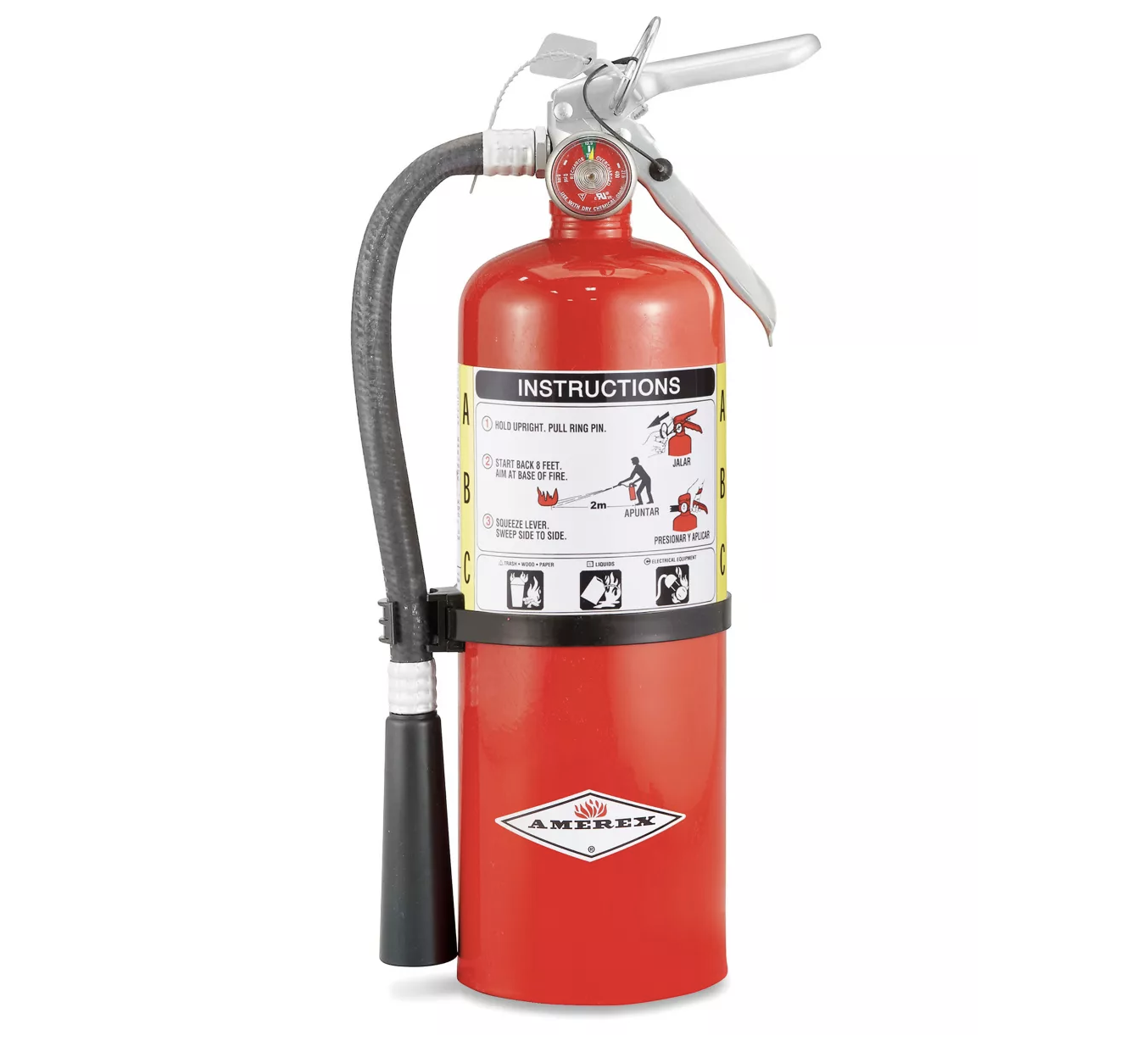
5 lb ABC Dry Chemical, Wall Mount, Multipurpose
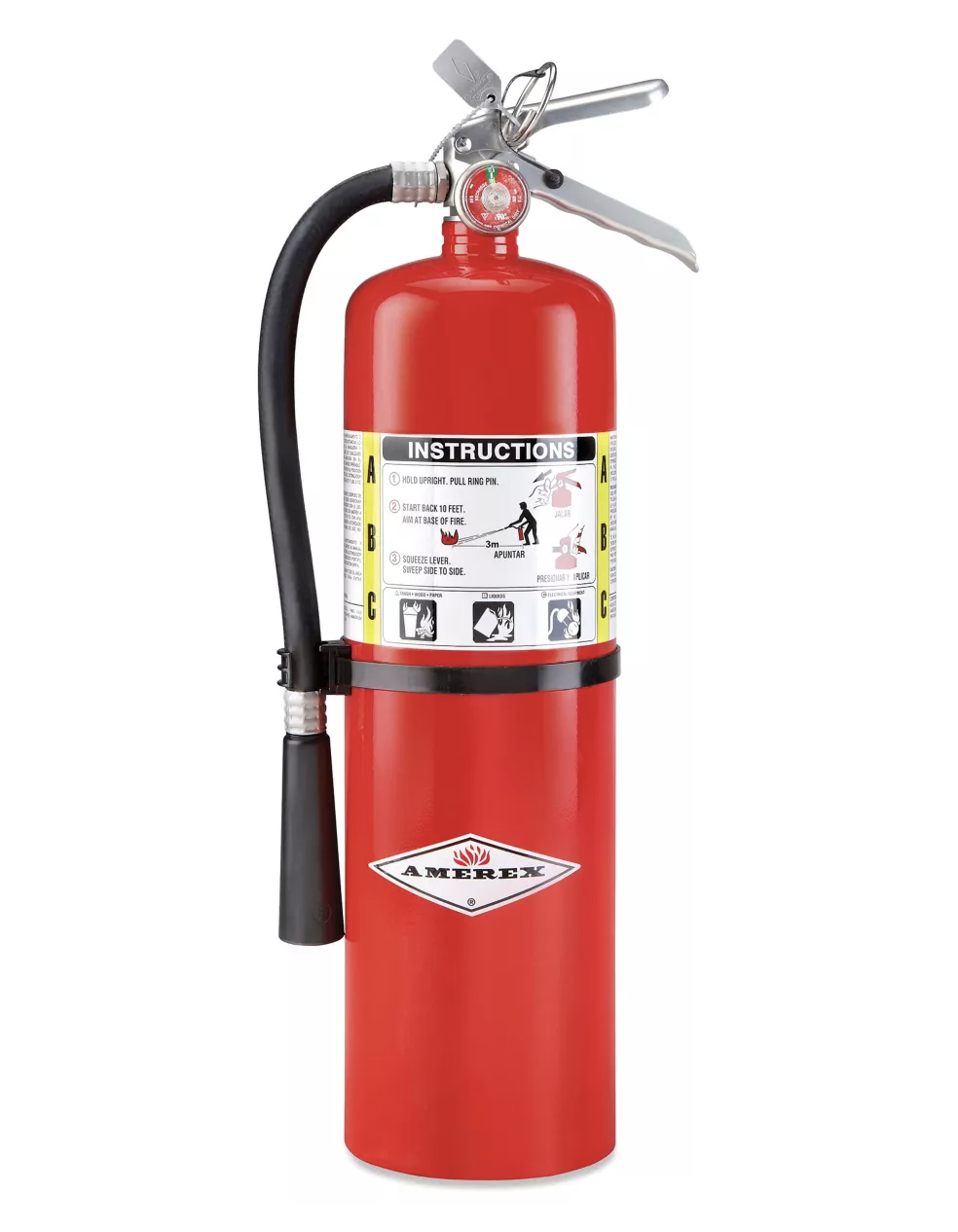
5 lb ABC Dry Chemical, Vehicle Bracket
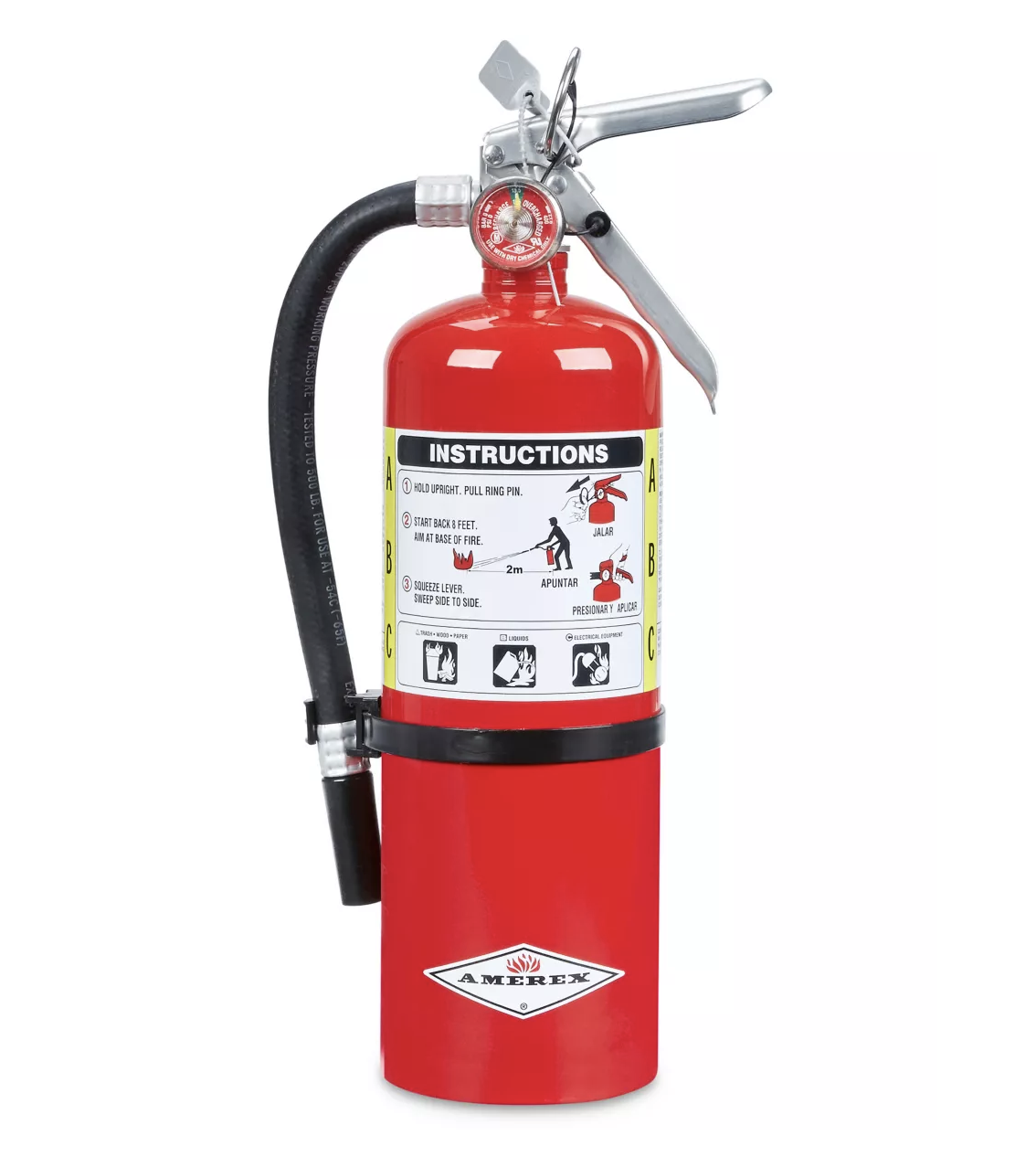
10 lb ABC Dry Chemical